
If you’re building factories in Wuling and experimenting with layouts, you’ve probably noticed something strange — and honestly kind of amazing.
Your Wuling Depot Unloader still works even when it’s barely connected. Sometimes all it takes is a single 1×1 tile touching the depot or depot bus, and materials flow like nothing’s wrong.
So what’s going on here?
Is this Depot Unloader placement an intended feature, a hidden mechanic, or a bug waiting to be patched in Arknights: Endfield?
Let’s break it down — and more importantly, show you how to build around it so your factory doesn’t fall apart later.
Does the Wuling Depot Unloader Really Work With Only a 1×1 Connection?
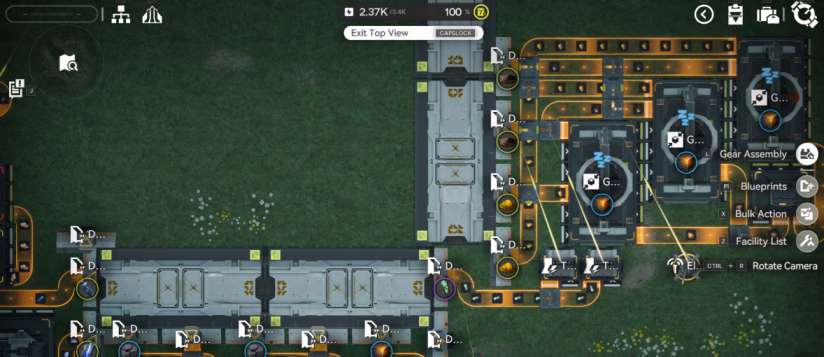
Yes — right now, it does.
In the current version of Arknights Endfield, a Depot Unloader in Wuling only needs minimal contact to function. As long as one 1×1 tile touches:
- the depot itself
- a depot bus section
- or a depot port
…the unloader will still pull items normally.
This behavior allows for extremely flexible Depot Unloader placement, especially in tight or awkward layouts.
Why This Is So Useful for Wuling Factory Layouts
Wuling is notorious for:
- Tight build space
- Awkward terrain
- Early-game constraints
This 1×1 depot unloader interaction lets you:
- Fix ugly L-shaped corners
- Squeeze unloaders into compact factory designs
- Simplify Depot Bus routing
- Build denser AIC factory layouts
For many players, this has become a go-to trick for efficient Wuling factory design.
Is the Depot Unloader 1×1 Connection a Bug or a Feature?
This is the big question — and the honest answer is:
It’s probably unintended, but not officially confirmed as a bug.
Here’s why players are cautious:
- Official descriptions imply proper depot or depot bus connections
- The system seems to check for contact, not full connectivity
- Similar “lenient placement” mechanics have been patched out before
At the same time:
- This behavior has existed for multiple updates
- The devs haven’t acknowledged or removed it yet
So for now, treat this as a useful but potentially temporary mechanic.
The Risk: Why This Can Break Your Factory Later
If a future update tightens depot connection rules, factories that rely entirely on 1×1 unloader placement may face:
- Unloaders stopping instantly
- Production chains stalling
- AIC and Yazhen Solution lines collapsing
If your entire Wuling depot setup depends on this trick, you’re taking a real risk.
How to Future-Proof Your Wuling Depot Setup (Do This)
Here’s how to keep the benefits without gambling your whole factory:
1. Always leave a fallback option
When using the 1×1 Depot Unloader placement:
- Leave space for a proper depot bus section
- Plan a clean full connection you can add later
Think of the trick as an optimization — not your foundation.
2. Add buffers between depot unloaders and production
Small storage buffers or short conveyor segments:
- Prevent instant shutdowns
- Give you time to fix layouts after patches
This is especially important for AIC production and Yazhen Solution factories.
3. Avoid single-point failures
Never let one fragile unloader handle:
- All AIC output
- All Ferrium part input
- All Yazhen Solution flow
Redundancy matters more than elegance.
4. Use the trick for layout fixes, not core logic
The 1×1 depot unloader connection is great for:
- Side branches
- Corner cleanup
- Temporary expansions
It’s risky for:
- Main depot bus spines
- High-throughput factory cores
- Critical late-game production chains
Should You Use the Wuling Depot Unloader 1×1 Trick?
Yes — just be smart about it.
Right now, this mechanic makes Wuling factory layouts cleaner, more flexible, and easier to optimize. Just assume it might change someday, and design with that in mind.
If the devs ever patch it out, a well-built factory shouldn’t collapse — it should just need a quick adjustment.
Wrapping up
- ✅ Wuling Depot Unloaders work with only a 1×1 tile touch
- ❓ Likely unintended, but currently functional
- ⚠️ Don’t base your entire factory on it
- 🛠️ Add buffers, redundancy, and fallback depot bus connections
- 🧠 Use it for efficiency, not critical infrastructure
Read more articles: