
While exploring the early Shallows in Subnautica 2, you’ll probably notice small crab-like creatures hiding among coral reefs and rocky seabeds. These are Coral Crabs — passive creatures that may seem harmless at first, but they actually have a few useful purposes tied to scanning and resource collection.
If you’re wondering where to find Coral Crab in Subnautica 2, what it drops, or whether it’s worth farming, here’s everything you need to know.
Coral Crabs are one of the more common passive creatures players encounter during the early hours of exploration.
Even though they aren’t aggressive, they’re still worth paying attention to because they can drop useful materials and provide additional PDA scan data for players trying to complete their databank entries. Most players first discover them naturally while farming Quartz, Titanium, and other early-game survival resources throughout the Shallows biome.
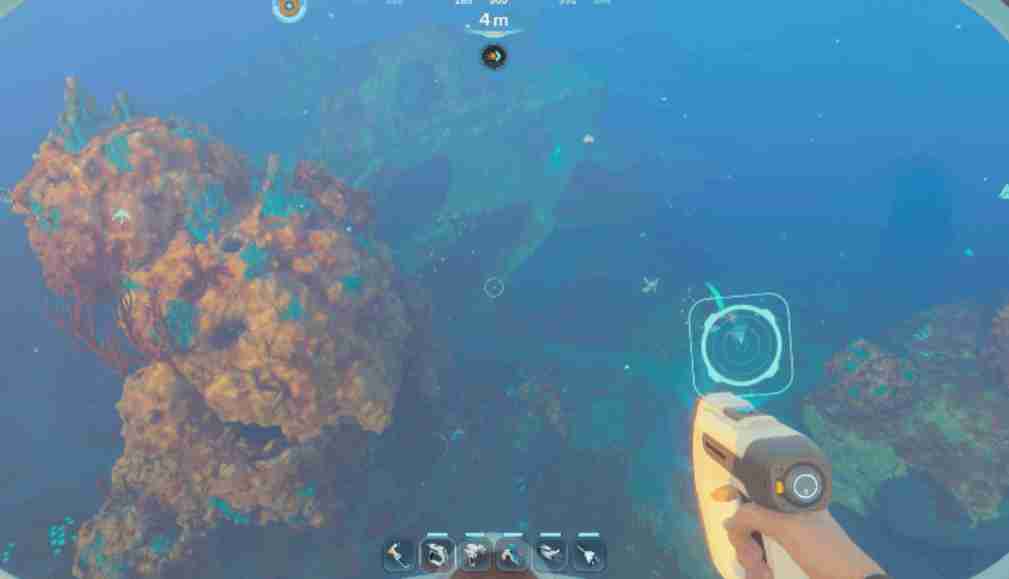
Because Coral Crabs blend so well into the colorful reef environment, they can be surprisingly easy to miss unless you slow down and carefully explore coral-heavy areas.
As Subnautica 2 continues expanding through Early Access updates, many players also expect Coral Crab resources and ecosystem interactions to become more important later in the game.
Also Read: Why There’s No Collectable Plant Matter in Later Areas in Subnautica 2
Coral Crab Location in Subnautica 2
Coral Crab is primarily found in the Shallows biome, one of the first major areas players explore after leaving the starting Lifepod. Since this biome is packed with early survival materials and safe exploration routes, most players will run into Coral Crabs naturally while gathering resources during the opening hours of the game.
You’ll usually encounter Coral Crabs:
- Around coral reef formations
- Near shallow underwater caves
- Along rocky seabeds
- Inside colorful reef clusters
- Close to early-game resource routes
Because they blend into coral environments so well, they’re surprisingly easy to miss during your first few hours. Their small size and natural camouflage make them look like part of the reef itself unless you swim close enough to spot them moving. Searching during daytime helps a lot, especially in brighter coral areas where visibility is much better.
Many players first discover Coral Crabs while farming Quartz, Titanium, or Limestone outcrops near reef cave entrances. If you’re specifically trying to locate them quickly, focus on slow exploration around dense coral clusters instead of swimming across open water.
Best Place to Find Coral Crab
The easiest way to find Coral Crab in Subnautica 2 is to search shallow reef systems close to your starting area. Since Coral Crabs commonly spawn throughout the Shallows biome, you’ll usually encounter them naturally while collecting basic survival resources and exploring nearby cave systems.
Best farming route:
- Start near the Lifepod
- Swim through coral-heavy sections of the Shallows
- Check cave entrances and reef walls
- Search during daytime for better visibility
- Scan nearby creatures while gathering Quartz and Titanium
Coral Crabs tend to stay close to reef formations and rocky terrain rather than open water, so focusing on dense coral clusters gives you the best chance of spotting them quickly. Moving slowly also helps because their small bodies blend into the environment surprisingly well.
Many players naturally discover Coral Crabs while farming:
- Quartz
- Titanium
- Limestone outcrops
- early survival materials
That means you usually won’t need a dedicated Coral Crab farming trip early in the game. Instead, they become part of your normal resource collection routes while exploring the Shallows for crafting materials and PDA scan data.
What Does Coral Crab Drop?
The main reason players interact with Coral Crab in Subnautica 2 is for a material called:
Crab Feces
Coral Crab can occasionally drop Crab Feces, which currently appears connected to ecosystem crafting and future progression systems in Subnautica 2. While it might seem like an unusual resource at first, players have already started collecting and storing it because many Early Access materials often become more important later in development.
Although the item has limited uses right now, many players are already stockpiling it because:
- the game is still in Early Access
- crafting recipes continue changing
- future updates may expand its usefulness
At the moment, Crab Feces is mostly used for:
- crafting experimentation
- resource collection
- possible farming systems
- progression preparation
Even if Crab Feces doesn’t seem essential early on, it’s still worth collecting whenever you encounter Coral Crabs during normal exploration. Subnautica games frequently introduce new crafting recipes and survival mechanics over time, so having a small stockpile ready could save farming time later. For completion-focused players, gathering every available resource early is also a good habit while exploring the Shallows biome.
Is Coral Crab Hostile?
No. Coral Crab is completely passive.
Unlike aggressive fauna found in deeper biomes, Coral Crabs won’t attack, chase, or damage the player in any way. They mostly wander around shallow reef environments, crawl along rocky seabeds, or hide between coral formations while exploring the Shallows biome.
Because of their calm behavior, Coral Crabs are considered one of the safest creatures to approach early in Subnautica 2. New players can comfortably scan them without worrying about combat or sudden attacks, making them an easy addition to your PDA databank during the opening hours of the game.
Coral Crab Overview
- Creature Type: Crustacean
- Behavior: Passive
- Main Biome: Shallows
- Threat Level: None
Their passive nature also makes them useful for learning creature scanning mechanics early on. Since Coral Crabs stay close to reef areas and rarely move aggressively, they’re much easier to scan compared to faster or hostile wildlife encountered later in deeper ocean zones.
How to Scan Coral Crab
Like most wildlife in Subnautica 2, Coral Crab can be scanned using the Scanner tool to unlock PDA databank information. Scanning creatures is one of the best ways to learn more about the planet’s ecosystem while also progressing your overall databank completion.
Scanning Coral Crab provides:
- ecosystem data
- creature behavior details
- lore entries
- databank completion progress
Since Coral Crabs are passive and move slowly around shallow reef areas, they’re one of the easiest creatures to scan during the early game. You can usually approach them safely without worrying about taking damage or being chased by hostile fauna.
Scanner Crafting Recipe
To craft the Scanner, you’ll need:
- 2 Titanium
- 2 Quartz
- 1 Basic Battery
Most of these materials can be found quickly around the starting Shallows biome, making the Scanner one of the first important tools players should craft. Scanning creatures early is worth doing because it helps fill out your PDA database while teaching you more about the game’s ecosystem, survival mechanics, and possible future crafting resources tied to different fauna species.
Best Coral Crab Farming Tips
If you’re specifically trying to farm Coral Crab drops or gather Crab Feces efficiently, a few simple strategies help a lot. Since Coral Crabs spawn naturally throughout the Shallows biome, the best method is usually passive farming while collecting other important survival resources.
Farm While Gathering Other Materials
The most efficient approach is combining Coral Crab farming with normal resource runs instead of making separate trips just for Crab Feces.
While exploring the Shallows, gather:
- Quartz
- Titanium
- Coral Crab drops
- scan data
This saves inventory space, reduces unnecessary travel, and helps you progress multiple objectives at the same time. Because Coral Crabs often appear near reef caves and resource-rich coral formations, you’ll naturally encounter them while farming early crafting materials anyway.
It’s also a good idea to move slowly through coral-heavy areas rather than rushing across open water. Coral Crabs blend into reef environments surprisingly well, so careful exploration makes them much easier to spot. If you find a particularly dense spawn area, placing a Beacon nearby can make future farming runs much faster later in the game.
Search Around Reef Caves
Many Coral Crabs spawn near:
- reef cave entrances
- coral walls
- rocky shallow trenches
Checking these areas repeatedly usually gives the best results. Coral Crabs tend to stay close to reef structures and sheltered sections of the Shallows biome rather than open water, so exploring cave systems carefully can help you locate multiple spawns in a single trip.
Reef caves are also useful because they often contain other important early-game materials nearby, including Quartz, Limestone outcrops, and Titanium deposits. This makes cave exploration one of the most efficient ways to combine Coral Crab farming with general resource gathering.
If visibility becomes difficult, try searching during daytime when coral formations are easier to navigate and creature movement is more noticeable. Swimming slowly along cave walls and coral clusters also helps since Coral Crabs naturally blend into the environment and can be easy to overlook from a distance.
Use Beacons to Mark Good Spawn Areas
Once you find a dense Coral Crab location, placing a Beacon nearby makes future farming trips much faster.
This becomes especially useful later if future updates increase the importance of Crab Feces crafting recipes.
Is Coral Crab Important in Subnautica 2?
Right now, Coral Crab isn’t a major progression requirement in Subnautica 2, but it’s still worth scanning and farming occasionally during normal exploration. While the creature doesn’t unlock critical survival upgrades yet, its materials and databank entries could become more valuable as the game continues developing through Early Access.
Its main value comes from:
- Crab Feces resource drops
- PDA scan completion
- ecosystem exploration
- possible future crafting importance
For most players, Coral Crabs are best treated as supplemental ecosystem creatures rather than essential farming targets. You’ll naturally encounter them while collecting Quartz, Titanium, and other early-game materials throughout the Shallows biome, making them easy to interact with without going out of your way.
Since Subnautica 2 is still in Early Access, creature resources and crafting systems are constantly evolving. Materials that seem minor early on often become much more useful after major updates, so collecting Crab Feces whenever you see Coral Crabs could save time later if new crafting recipes or survival mechanics are introduced.
Coral Crab Early Access Notes
Because Subnautica 2 is actively being updated, Coral Crab:
- spawn locations
- resource drops
- crafting uses
- ecosystem behavior
may change in future patches.
Community discussions already suggest that several passive creatures are placeholders for larger survival and ecosystem mechanics planned later in development.
FAQ
Where do you find Coral Crab in Subnautica 2?
Coral Crab is mainly found in the Shallows biome around coral reefs, shallow caves, and rocky seabeds near the starting area. Most players encounter them naturally while gathering early-game resources like Quartz and Titanium during exploration.
What does Coral Crab drop?
Coral Crab can drop Crab Feces, a resource currently tied to crafting and ecosystem systems in Subnautica 2. While its uses are somewhat limited right now, many players are still collecting it in preparation for future Early Access updates.
Is Coral Crab dangerous?
No. Coral Crab is completely passive and does not attack players. It’s considered one of the safest creatures to approach and scan during the early game.
Can you scan Coral Crab?
Yes. You can scan Coral Crab using the Scanner tool to unlock PDA databank information, including ecosystem details, creature behavior data, and lore entries.
Is Crab Feces important?
Its current uses are limited, but future Subnautica 2 updates may expand its crafting value. Since the game is still in Early Access, many players are already stockpiling ecosystem resources just in case new recipes are added later.
Do Coral Crabs respawn?
Yes. Coral Crabs appear to naturally respawn over time in Shallows reef areas, especially around coral-heavy cave systems and rocky reef formations.