
The name Juan Carlos Garcia has resurfaced in Albuquerque headlines as his 2025 trial unfolds in the stabbing death of Luis Romero, a case that has reignited local conversations about self-defense laws, violent confrontations, and justice in New Mexico.
Garcia, now 25, is accused of fatally stabbing Romero during what his defense team claims was an act of self-preservation — not premeditated violence. As the trial continues before Judge Brett Loveless in the 2nd Judicial District Court, new details are emerging about who Garcia is, what led to the deadly encounter, and how the evidence may shape the outcome.
A Case That Divided Opinions in Albuquerque
The April 2024 stabbing that ended Luis Romero’s life shocked residents near Dorado SE, just off Central and Tramway, where Garcia lived in a small second-floor apartment. For months, neighbors recounted hearing shouting and then witnessing a trail of blood leading down the stairs that Sunday morning.
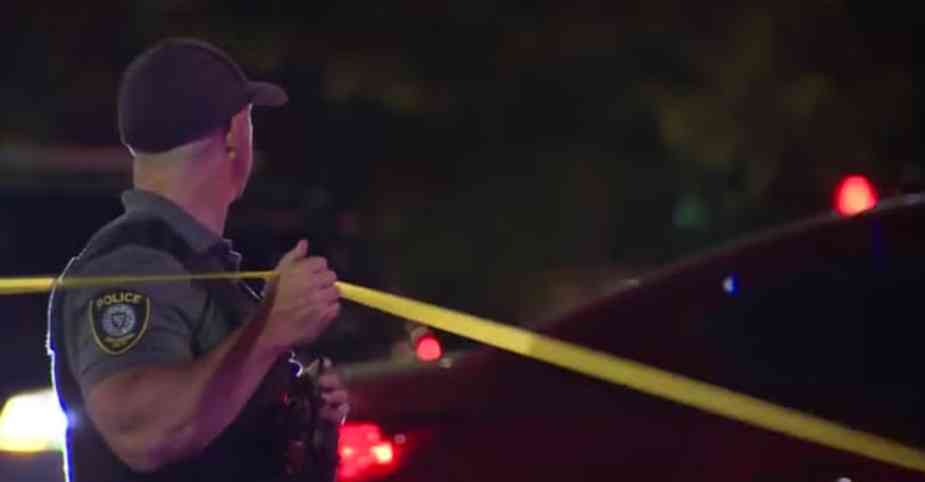
Police later discovered a bloody kitchen knife in Garcia’s living room and followed a trail that pieced together the chaotic aftermath — including surveillance video showing Romero stumbling down the steps before collapsing outside.
At first glance, the crime appeared to be an open-and-shut case. But as evidence emerged and defense attorneys described Garcia’s version of events, the narrative became more complex — revealing not a cold-blooded killing, but potentially a desperate act of defense.
What We Know About Juan Carlos Garcia
According to court documents and testimony, Juan Carlos Garcia was living with roommates at the Dorado SE apartment at the time of the incident. Described by acquaintances as “quiet” and “non-confrontational,” Garcia reportedly kept to himself, balancing odd jobs while attending church regularly.
Defense attorney Javier Amaya told jurors that Garcia was preparing to attend church the morning of the fatal fight when Luis Romero unexpectedly appeared at his apartment, angry over accusations that he had stolen $300 from Garcia two days earlier.
Garcia, Amaya argued, did not provoke the confrontation. Instead, he was caught off guard when Romero — a larger man by build — allegedly attacked him in anger, forcing Garcia into a violent struggle that ended in tragedy.
“A fight took place, and Juan Carlos had to defend himself,” Amaya said during opening statements.
For Garcia, the defense maintains, the stabbing was not an act of aggression — it was a survival instinct that spiraled out of control.
The Prosecution’s Case: A Deadly Overreaction
Prosecutor Genia Gonzales, however, painted a starkly different picture. In her opening statement, she told jurors that Garcia’s actions went beyond self-defense.
According to Gonzales, Garcia admitted to stabbing Romero during an interview with detectives, acknowledging that after being separated from Romero in the scuffle, he went to the kitchen, grabbed a knife, and stabbed him.
“They had each other in headlocks,” Gonzales said, “then they got pulled apart. And then, Garcia went to the kitchen and got a knife.”
The prosecution’s evidence includes autopsy results showing two stab wounds, one of which fractured a rib in Romero’s back — indicating significant force. Investigators also recovered video evidence showing Romero attempting to flee before collapsing, as well as witness statements from neighbors who saw him being carried into a car and dropped off at Presbyterian Kaseman Hospital, where he later died.
For the state, this sequence of events suggests intentional use of lethal force rather than a defensive act.
The Victim: Who Was Luis Romero?
The victim, Luis Romero, was known in the neighborhood as a familiar figure, often visiting friends at nearby apartments. According to reports, he had been staying with one of Garcia’s roommates in the days before the fatal confrontation.
When $300 went missing, Garcia allegedly accused Romero of theft — an accusation that sparked the deadly confrontation on April 7, 2024.
Romero’s family has since spoken publicly, expressing disbelief over the self-defense claim. They’ve described him as “hot-tempered but not violent” and say they want to see justice for his death.
The family’s grief has resonated across Albuquerque, where violent crime and homicide rates remain a persistent concern, even amid broader efforts by law enforcement to curb neighborhood violence.
The Legal Battle: Self-Defense or Murder?
At the heart of the case is a single legal question: did Garcia act in self-defense, or did he cross the line into first-degree murder?
Under New Mexico law, self-defense can justify deadly force only if the person reasonably believes they are in imminent danger of death or great bodily harm — and if their response is proportionate.
The defense team argues that Garcia met both criteria: he was physically outmatched, attacked in his home, and reacted in panic. The prosecution contends that retrieving a knife and stabbing Romero in the back shows intentional escalation rather than self-preservation.
Legal analysts say the jury’s decision may hinge on how they interpret Garcia’s state of mind — whether he feared for his life or acted out of anger.
Evidence That Could Shape the Verdict
Several key pieces of evidence are expected to weigh heavily on the jury’s decision:
- Garcia’s own statements to police admitting to the stabbing but claiming fear for his safety.
- The autopsy report, which shows one stab wound deep enough to fracture a rib.
- Surveillance footage capturing Romero’s final moments as he stumbled outside the apartment complex.
- Witness testimony from neighbors who heard the argument and saw Romero’s condition.
- Character evidence about both men — including Romero’s alleged temper and Garcia’s nonviolent background.
Each of these elements provides a partial window into what happened inside that apartment, but the interpretation of intent remains the most contested point.
How the Community Is Reacting
The case has sparked passionate discussion among Albuquerque residents about crime, accountability, and the limits of self-defense laws.
Many see Garcia as an ordinary young man who made a tragic split-second decision in fear, while others argue that he should have walked away or called for help rather than resorting to violence.
On local forums and social media, opinions are divided:
- Some users emphasize the need for understanding the context of fear and sudden violence.
- Others view the incident as part of a broader pattern of preventable homicides that have shaken the city in recent years.
Community activists have called for more mental health and conflict resolution programs, noting that disputes over small amounts of money or personal grudges too often end in deadly outcomes.
What’s Next for Juan Carlos Garcia?
The trial is expected to continue through Friday, with closing arguments likely to focus on Garcia’s intent and emotional state at the time of the stabbing. If convicted of first-degree murder, Garcia could face life imprisonment.
However, if jurors find that he acted under duress or in a reasonable act of defense, the charge could be reduced to manslaughter or he could be acquitted entirely.
The outcome will likely influence not only Garcia’s future but also the ongoing public debate about how courts interpret self-defense in violent altercations.
A Cautionary Tale of Conflict and Consequence
Regardless of the verdict, the case of Juan Carlos Garcia and Luis Romero underscores the fragile line between fear and violence — and how quickly human emotions can spiral into irreversible tragedy.
What began as a dispute over missing money ended with a life lost, a man facing trial, and two families forever changed.
For Albuquerque, the trial is more than just another headline. It is a sobering reminder of the cost of anger, confrontation, and impulse, and a call for reflection on how communities can prevent such deadly encounters before they begin.