
So you picked Healer in Where Winds Meet — nice choice.
You’re probably already starting to realize that this class is way more than just standing in the back and spamming heals. A good healer can completely control the flow of a fight, save runs that look totally doomed, and still feel smooth and satisfying to play even when you’re running solo content. The key is understanding how to build and play it correctly.
This guide is here to help you do exactly that. We’ll break things down in a clear, practical way so you’re not guessing or wasting resources early on. Whether you’re brand new or already a few days in, this will help you tighten up your gameplay and progression.
You’ll find:
- The best healer setup and weapon choices
- Easy-to-follow skill rotations for both solo play and group content
- Smart ways to push your power level quickly before the level cap
- And how to find a chill, low-pressure guild without sweaty expectations
No fluff, no overcomplication — just real, useful info to help your healer feel strong and fun to play.
Let’s get into it.
Best Healer Build in Where Winds Meet (The Short Version)
If you’re looking for the most reliable, low-stress healer setup right now, this is the one most players are settling into — and for good reason. It’s easy to play, forgiving if you make mistakes, and strong in both solo and group content.
Best Core Setup
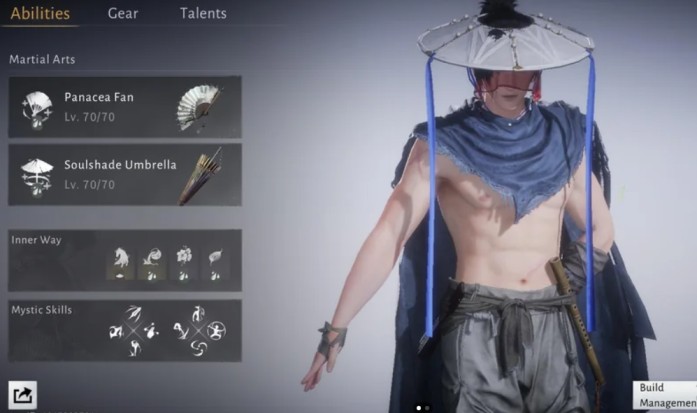
- Primary Weapon: Panacea Fan
- Secondary Weapon: Soulshade Umbrella
- Playstyle: Sustain-focused, safe positioning, high uptime

This combo works so well because it covers all the essentials. The Fan gives you consistent, dependable healing and clutch saves, while the Umbrella helps with setup, control, and resource flow. Together, they let you stay active without feeling overwhelmed or locked into long animations.
It’s also incredibly flexible. You can comfortably support a full group, handle unexpected damage spikes, and still move freely during fights. Whether you’re running dungeons, world content, or casual co-op, this setup keeps things smooth, stable, and stress-free — exactly what a good healer should feel like.
Healer Skill Rotation (How You Actually Play It)
▶ Group Content – Dungeons & Boss Fights
When you’re healing in group content, your job isn’t to spam every heal the moment someone loses HP. Your real goal is stability — keeping the team alive without burning all your tools too early or putting yourself in danger.
Here’s the basic flow that works in almost every fight:
Start by opening with the Umbrella. This gives you a safe setup phase where you can apply buffs, generate resources, and get positioned before things get messy. You’re basically prepping the battlefield.
Once damage starts coming in, swap to the Fan. This is where your main healing kicks in. Drop your healing field after teammates start taking damage — pre-casting too early usually wastes value. Think of it as controlled healing, not panic healing.
From there, focus on steady, low-commitment heals. Keep yourself mobile, reposition often, and avoid locking yourself into long animations unless you’re confident it’s safe.
Save your emergency tools for real danger moments. Don’t panic-revive the second someone drops if the boss is mid-mechanic. Hold shields or mitigation for heavy damage phases — that’s where they matter most.
👉 Pro tip: Let teammates come to you. Chasing players usually leads to bad positioning and wasted cooldowns. A stable healer is a living healer.
Read also: Where Winds Meet Frost Mushroom Farming Route
▶ Solo PvE Rotation
Healers are surprisingly comfortable to play solo once you get the rhythm down. You won’t melt enemies instantly, but you will outlast almost anything if you play smart.
Simple solo loop:
Start with the Umbrella to open the fight. It gives you control, lets you set the pace, and helps you manage enemies before they get too close.
Once pressure starts building, swap to the Fan for sustain. This keeps your health stable so you can stay aggressive without backing off constantly.
Mix in one or two fast damage skills to chip enemies down. Focus on abilities with short animations so you’re never stuck in place longer than necessary.
Above all, keep moving. Good positioning matters more than raw damage. Strafing, repositioning, and staying mobile will save you more often than extra healing ever will.
Avoid long, flashy animations — if a skill roots you in place, it’s probably going to get you hit sooner or later.
Best Inner Ways for Healers
If you want a smooth, reliable healing setup, these Inner Ways consistently perform the best across both solo and group content. They focus on sustain, efficiency, and long-fight stability rather than burst or gimmicks.
Top Inner Ways to Run:
- Morale Chant – Boosts your overall healing output, making every heal feel more impactful.
- Royal Remedy – Helps stabilize sustain so you’re not constantly playing catch-up.
- Restoring Blossom – Provides steady passive healing that adds up over time.
- Mending Loom – Excellent for longer encounters where consistent recovery matters most.
These work well together and don’t require perfect timing or risky positioning, which makes them ideal for both new and experienced healers.
🔹 Tip: Lock in the Inner Ways you actually use and recycle the rest. Turning extras into upgrade currency is one of the fastest ways to strengthen your build without grinding endlessly.
Best Gear for Healers
When it comes to gear, you don’t need to stress about perfection early on. Healer strength in Where Winds Meet comes more from systems and consistency than chasing a single god-roll piece. That said, a couple of sets clearly stand out.
Recommended Gear Sets:
- Ivorybloom – This is the go-to healing set for most players. It boosts your overall healing output and fits perfectly with a sustain-focused playstyle. If you’re unsure what to run, start here — it’s reliable in both solo and group content.
- Rainwhisper – A solid option if you enjoy mixing damage into your rotation. It trades a bit of raw healing for more offensive pressure, making it great for solo play or hybrid builds.
The key thing to remember is that gear progression matters more than perfect rolls early on. Don’t burn yourself out farming the same piece over and over. Instead, focus on upgrading systems like slot enhancements, tuning, and Arsenal bonuses — those upgrades stick with you and scale far better over time.
Think long-term efficiency, not short-term perfection.
How to Increase Power Fast (Pre-Cap)
If you’re aiming to hit around 17k power without wasting time or resources, this is where you should be putting your focus. These systems scale incredibly well and matter far more than chasing perfect gear early on.
1️⃣ Slot Enhancements (Top Priority)
Slot enhancements are the single best long-term investment you can make.
They apply to everything you equip, now and later, so every upgrade here permanently boosts your power. If you’re unsure where to spend resources, start here.
2️⃣ Arsenal System
Instead of deleting unused gear, feed it into your Arsenal.
Those passive stat bonuses stack up faster than you’d expect and quietly add a lot of power over time. It’s one of the easiest ways to grow without grinding harder content.
3️⃣ Tuning
Tuning doesn’t need to be perfect to be effective. Even small stat bumps make a difference, especially when stacked across multiple pieces. Don’t chase perfect rolls — steady upgrades will carry you much further.
4️⃣ Inner Way Recycling
Keep the Inner Ways you actually use and recycle the rest.
Those extra materials go a long way toward strengthening your core setup and speeding up progression.
5️⃣ Daily & Weekly Materials
Always grab limited upgrade materials whenever they’re available. These become major bottlenecks later on, and missing them early can slow your progress more than you’d expect.
If you focus on these systems consistently, you’ll hit the power curve smoothly without burning yourself out grinding for perfect drops.
Best Mystic Skill Types for Healers
You don’t need flashy damage or big combo chains to be effective as a healer. In fact, the best healer setups prioritize speed, safety, and reliability over raw numbers. Your goal is to stay alive, stay mobile, and keep everyone else standing.
Here’s what to focus on when choosing Mystic skills:
Fast-cast heals
Quick animations are king. Fast-cast healing skills let you react to sudden damage without getting locked in place. They’re safer, more flexible, and much easier to weave between movement and positioning.
Damage reduction or shield skills
These are your panic buttons. Shields and mitigation tools often matter more than raw healing because they prevent damage before it becomes a problem. They’re especially valuable during boss mechanics or group-wide hits.
One mobility or escape skill
Every healer needs a way out. A short dash, blink, or movement skill can save you when positioning goes wrong or enemies rush you. Mobility often matters more than raw healing output in harder content.
What to avoid:
Try not to rely on long, flashy animations unless you know the fight extremely well. Getting locked into an animation at the wrong time is one of the fastest ways to go down, especially in high-damage encounters.
The goal is simple: stay mobile, stay alive, and keep healing flowing. If a skill helps you do that, it’s usually a good pick.
Finding a Chill Guild (No Sweat Required)
If you’re not looking to treat Where Winds Meet like a second job, don’t worry — there are plenty of relaxed, low-pressure guilds out there. The key is knowing what to look for and what to avoid.
Good signs to look for:
✔ Guilds labeled “casual,” “chill,” or “no requirements”
✔ PvE-focused or social-first communities
✔ Optional voice chat instead of mandatory comms
These groups usually care more about having fun and helping each other out than tracking numbers or attendance.
Best places to search:
- Official Where Winds Meet Discord (check the Guild Recruitment channel)
- Reddit guild recruitment posts
- Community Discord hubs like Disboard
You’ll often find small, friendly groups recruiting there without pressure or expectations.
Red flags to avoid:
If a guild mentions strict attendance, mandatory activity quotas, or performance checks, it’s probably not the relaxed experience you’re looking for.
Find a group that fits your pace — the game’s way more enjoyable when you’re not stressing over schedules.
Quick Healer Cheat Sheet
If you just want the short version you can glance at before jumping into content, this is it.
Best Setup:
✔ Fan + Umbrella
✔ Ivorybloom gear
✔ Sustain-focused Inner Ways
Playstyle:
✔ Stay in safe positions
✔ Keep healing steady, not frantic
✔ Use cooldowns smartly instead of panic-spamming
Progression Focus:
✔ Slot upgrades first
✔ Arsenal bonuses for passive power
✔ Inner Way optimization for long-term scaling
This setup keeps your healer reliable, flexible, and stress-free — perfect for both casual play and harder content without overthinking every fight.
Final Thoughts
Healer in Where Winds Meet isn’t about topping damage charts or chasing flashy numbers — it’s about control, timing, and consistency. When you play it well, fights feel calmer, smoother, and far more manageable for everyone involved. You’re the difference between a clean clear and a full team wipe.
Once your build clicks, you’ll start to feel almost unkillable. You’ll know when to step in, when to hold back, and when to save a fight that’s about to fall apart. That sense of control is what makes the healer role so satisfying.
Whether you’re running solo content, helping friends, or supporting random groups, a well-built healer is always in demand. Take the time to learn the flow, invest in the right systems, and play smart — the rest naturally falls into place.
Read more articles: