
Many players are reporting that Battlefield 6 Defib Pads are not working consistently. While playing the Support class, reviving downed teammates with defibrillators sometimes fails completely—no revive occurs no matter how many times the pads are used. In many cases, only syringe or drag revives work, and even bots in AI lobbies are affected.
This guide explains why Battlefield 6 defib pads are not working, whether the issue is caused by netcode or user error, and what temporary fixes and workarounds can improve revive consistency until the issue is fully patched.
Battlefield 6 Defib Pads Not Working – Is This a Known Bug?
Yes. This is a known Battlefield 6 Support revive bug, not player error.
Multiple reports confirm:
- Defib pads fail to revive even with correct timing and position
- The issue occurs in PvP and bot lobbies
- Revives fail even on low-ping, stable connections
- The same teammate may be impossible to revive with defibs after a syringe revive
- Defibs may randomly start working again later in the same match
Because this happens in offline-style environments (bot matches), the issue is strongly linked to defibrillator hit registration, not player aim or reflexes.
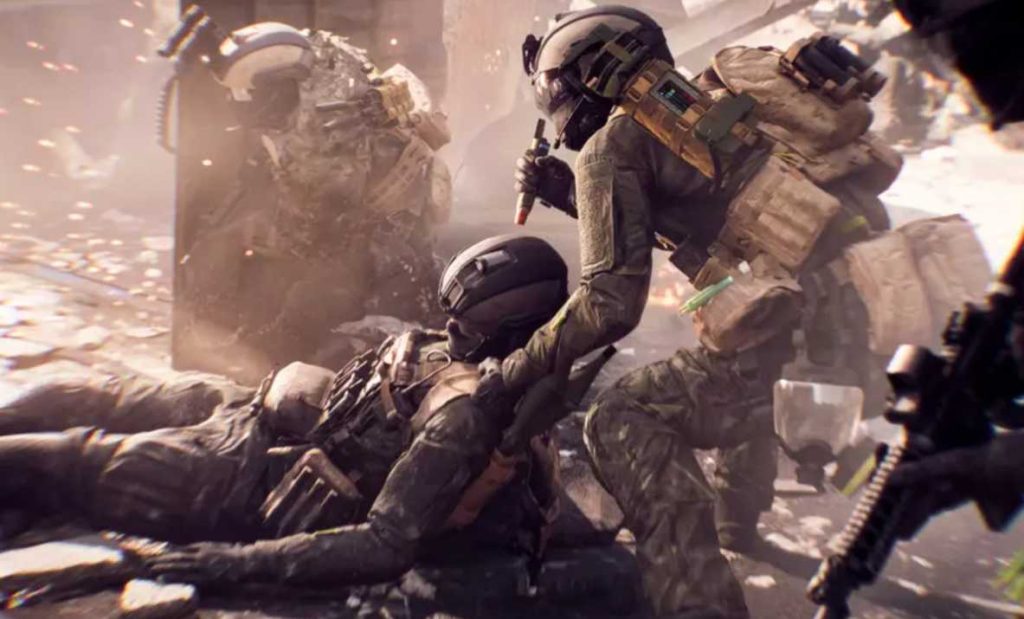
What Causes the Battlefield 6 Defibrillator Bug?
Based on widespread reports and recent updates, the problem is most likely caused by broken revive hit detection introduced after a gameplay update.
Confirmed contributing factors
- Defib hitbox inconsistency after revive range adjustments
- Angle and terrain detection errors (slopes, stairs, uneven ground)
- Quick-tap defibs failing to register
- Server-side validation sometimes rejecting valid revive attempts
What it is NOT
- Not a hardware issue
- Not account-specific
- Not limited to one platform
- Not caused by bad aiming alone
Netcode and packet loss may worsen the issue, but they are not the root cause.
Battlefield 6 Support Defib Pads Not Reviving – Common Scenarios
Players most often experience failed revives in these situations:
- Sliding or sprinting toward the body
- Attempting very fast “drive-by” revives
- Reviving teammates lying on slopes or rubble
- Aiming at legs or feet instead of torso
- After already using a syringe revive on the same player
These scenarios expose the current revive hitbox bug, making defibs unreliable.
Battlefield 6 Defib Pads Not Working – Current Fixes & Workarounds
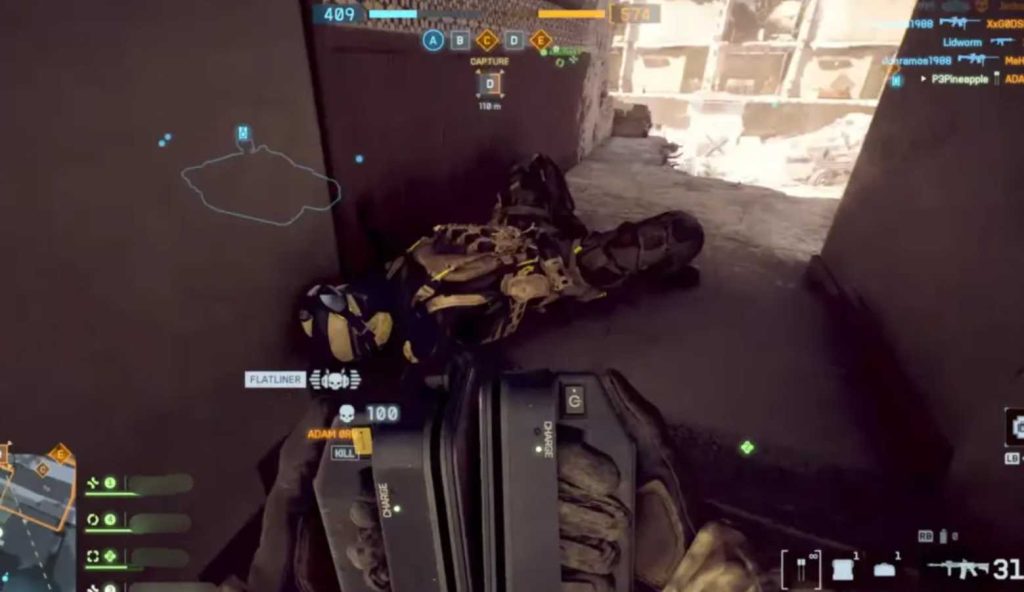
There is no permanent player-side fix yet, but the following temporary solutions significantly improve success rates.
1. Fully Charge the Defib Pads
Quick taps are far less reliable after recent updates.
Workaround
- Hold the defib charge until full
- Avoid instant taps unless absolutely necessary
2. Aim at the Upper Torso or Head
Defibs currently behave like a precision hit instead of area interaction.
Workaround
- Place crosshair directly on chest or head
- Avoid aiming at legs or ground
3. Stop Moving Before Reviving
Movement interrupts revive detection more often now.
Workaround
- Stop sprinting
- Avoid slides and jumps
- Stand still or crouch briefly before reviving
4. Adjust Position on Slopes
Uneven terrain breaks revive checks.
Workaround
- Crouch or reposition
- Approach the body from the side or head
- Retry with full charge
5. Use Drag Revive as Primary
Until fixed, drag revive is more reliable than defib pads.
Best Practice
- Drag teammate into cover
- Use syringe or drag revive first
- Treat defibs as situational, not guaranteed
Is the Battlefield 6 Defib Bug Related to Netcode or Servers?
Partially—but not primarily.
- The bug appears in low-latency situations
- Bot lobbies show the same failure
- Server quality only amplifies the issue
Conclusion:
This is mainly a game logic and hit registration bug, not pure server lag.
Why Defibs Sometimes Start Working Again
Players report defibs randomly functioning later in matches due to:
- Server resynchronization
- New revive states after respawns
- Terrain changes
- Match-side instance refresh
This randomness further confirms a state-based revive detection issue, not a consistent mechanical failure.
Battlefield 6 Defib Pads revive bug explained – causes and possible fixes
In Battlefield 6, many Support players report Defib Pads failing to revive downed teammates. The bug appears random but usually happens when multiple revives are attempted quickly.
The most common cause is server desync. When the downed player’s position does not match the server state, the revive animation plays but no revive registers. Uneven terrain, stairs, or rubble make this worse.
Another cause is revive queue conflicts. If another teammate starts a revive or the player begins bleeding out at the same moment, the Defib Pads cancel silently.
Possible fixes:
Move the body to flat ground, wait one second before activating pads, and avoid spamming the revive. Restarting the match often temporarily resolves the issue.
How to fix Defib Pads not reviving teammates in Battlefield 6
When Defib Pads refuse to revive, small adjustments can greatly improve consistency. First, always face the teammate’s torso directly. Reviving from extreme angles often fails due to hitbox misalignment.
Second, stop moving before using Defib Pads. Sprinting or sliding into a revive can cancel the charge phase without visual feedback. Standing still increases success rate.
Third, check revive priority. If smoke, explosions, or enemy damage interrupt the animation, the revive fails even if the charge completes.
Practical fix steps:
• Reposition the body to flat terrain
• Pause briefly before activating pads
• Avoid reviving during heavy explosions
These steps do not eliminate the bug but significantly reduce failed revives during intense fights.
Battlefield 6 Support revive bug – defib pads vs syringe
Support players notice the syringe revive feels more reliable than Defib Pads. This is because syringes use single-tick validation, while Defib Pads require a sustained server check during charging.
Defib Pads are more prone to failure during lag spikes or packet loss. If latency increases mid-charge, the revive cancels without warning. Syringes bypass this by completing instantly.
Defib Pads also require precise alignment with the downed player model. Slight movement can cause the revive to fail, while syringes have a wider interaction window.
Workaround:
Use syringes during high-action combat and reserve Defib Pads for safe, stationary revives. This hybrid approach improves revive reliability until an official fix arrives.
Battlefield 6 revive system inconsistent – defib pads not reliable
The revive system itself contributes to inconsistency. Battlefield 6 prioritizes combat flow over revive certainty, meaning certain states block revives without clear indicators.
Revives fail if the downed teammate is transitioning between bleed-out stages or if the server flags them as “combat locked.” These states are invisible to Support players.
Environmental physics also interfere. Slopes, destroyed cover, and debris slightly shift player models, causing the Defib Pads to miss the valid revive zone.
Why it feels unreliable:
• Hidden revive cooldowns
• Physics-based body movement
• Server-side state changes
Until clarified in patches, slow and deliberate revives remain the most dependable method.
Battlefield 6 revive glitch occurring across PC and Steam versions
The revive glitch affects both PC launcher and Steam versions, confirming it is not platform-specific. Reports indicate identical behavior regardless of hardware or input method.
Cross-platform server architecture appears to be the root issue. When instances become crowded, revive validation delays increase, causing Defib Pads to fail more often.
Players with stable FPS still experience revive bugs, which rules out performance-related causes. Network load and server tick rate are the primary suspects.
Temporary solutions:
• Switch regions if latency is high
• Avoid back-to-back revives
• Use cover before reviving
An official patch is likely required for a full fix, as local settings rarely resolve the problem permanently.
Can netcode or server lag cause Defib Pads to fail in Battlefield 6?
Yes, netcode and server lag are one of the main reasons Defib Pads fail to revive teammates in Battlefield 6. The revive system is fully server-authoritative, meaning the server must confirm the revive, not the client.
When server lag occurs, the revive animation may play locally, but the server never confirms the revive action. As a result, Defib Pads do not register even though the charge animation looks correct. This causes the common Battlefield 6 Defib Pads revive bug.
High player density, explosions, and multiple revive attempts increase server load. During these moments, revive packets are delayed or dropped.
Key signs of netcode-related revive failure:
Breaks between animation and result
Revive succeeds only after retry
Works inconsistently between matches
This explains why Defib Pads sometimes work perfectly and suddenly fail without any visible reason.
Why does Defib revive work sometimes and fail other times in Battlefield 6?
The Defib Pads revive system in Battlefield 6 is highly situational. It works when all revive conditions align but fails when even one server-side check is interrupted.
Timing plays a major role. If the downed player enters a new bleed-out state, receives damage, or is flagged for combat priority, the revive fails. These transitions often occur silently.
Environmental factors also matter. Reviving on slopes, stairs, rubble, or destroyed objects increases failure chances. Even slight body movement can break Defib Pads contact detection.
Why revive reliability feels random:
Server checks happen mid-animation
Hidden revive cooldowns exist
Player model shifts due to physics
This is why Battlefield 6 revive inconsistency feels unpredictable. The revive works, then fails seconds later under nearly identical conditions.
Is the Defib Pads revive bug happening in Battlefield 6 bot lobbies?
Yes, the Defib Pads revive bug occurs in Battlefield 6 bot lobbies, though less frequently. Since bot lobbies have lower server load, revives are more consistent, but the issue is still present.
The core problem is not player interference but server-side revive validation. Bot matches still run on the same revive logic, netcode rules, and physics system.
Revives fail most often when bots are clustered or explosions occur nearby. Even without real players, physics updates and death states can interrupt Defib Pads registration.
What bot lobbies confirm:
Not caused only by PvP chaos
Not input or hardware related
Linked to revive system design
The existence of the Defib Pads glitch in bot lobbies strongly suggests a system-level issue rather than player error.
Do Defib Pads glitch in Battlefield 6 even when animation plays correctly?
Yes, Defib Pads can glitch even when the full revive animation plays correctly. This is one of the most confusing aspects of the Battlefield 6 revive bug.
The animation is client-side, meaning it does not confirm a successful revive. If the server rejects the revive after the animation begins, nothing happens despite visual completion.
Common reasons include slight target movement, incoming damage, or server tick mismatch. The server may determine the revive window closed during the animation.
Why animation ≠ revive:
Client shows revive feedback
Server performs final validation
Mismatch cancels revive silently
This creates the illusion of a working revive while Defib Pads fail. It is a design limitation rather than an animation bug.
Why does Battlefield 6 Defib Pads not register contact with downed players?
Defib Pads contact failure is usually caused by hitbox misalignment. Downed player models often shift slightly after collapsing, especially on uneven ground.
The Defib Pads require precise contact with the revive interaction zone. If the model slides, rotates, or clips into terrain, contact fails even at close range.
Network latency worsens this problem. The server may recognize the body a few frames behind its visual position, causing failed contact validation.
Common contact failure triggers:
Reviving on slopes or stairs
Body partially clipped into objects
Rapid repositioning before revive
This explains why Battlefield 6 Defib Pads feel unreliable. The revive system is extremely sensitive to positioning, movement, and server confirmation timing.